Back to Blog List

The Sensitive Cargo Encyclopedia: How to Ship Batteries, Liquids, and Cosmetics to the US

Batteries, cosmetics, and liquids are classified as 'Sensitive Cargo' in China-US logistics. Learn about MSDS requirements, air freight restrictions, and Sea DDP solutions.

Lofeng Compliance
2026-02-04 · 7 min read
The Sensitive Cargo Encyclopedia: How to Ship Batteries, Liquids, and Cosmetics to the US

Introduction

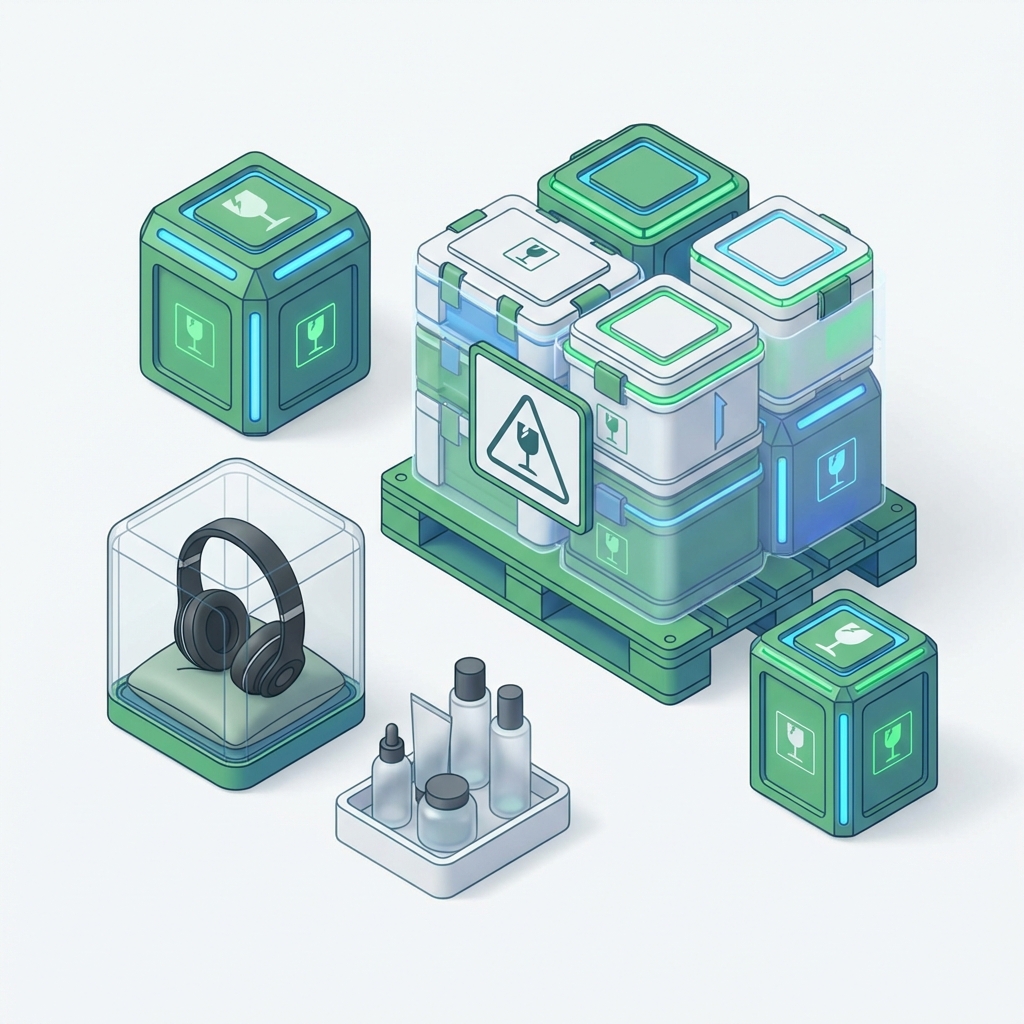
In the world of China-US trade, the definition of "Sensitive Cargo" is much broader than you might expect. Many items common in daily life—such as Bluetooth headphones, solid perfumes, or liquid eyeliners—are considered restricted categories in international logistics.

Improper handling can lead to rejection at customs, high storage fees, or even legal risks. Based on years of hands-on experience, Lofeng has compiled this essential guide to sensitive cargo compliance.


1. What is "Sensitive Cargo"?

In Lofeng’s Shipping Calculator, we generally categorize the following as sensitive cargo:

  • Battery-Operated: Pure batteries, lithium battery packs, and built-in battery products (e.g., smartphones, scooters).
  • Liquids & Pastes: Cosmetics, skincare lotions, glues, nail polish.
  • Magnetic Items: Speakers, motors, industrial magnets.
  • Other Restricted: Food, health supplements, and knives (kitchenware).

2. Core Requirements: MSDS & UN38.3

For batteries and liquids, the MSDS (Material Safety Data Sheet) is the most fundamental document required by both air and sea carriers.

  • MSDS Guide: Provided by the manufacturer, it describes the physical properties of the goods and emergency handling procedures.
  • UN38.3: A specific safety test required for lithium batteries.

Lofeng Service: If you cannot obtain these documents from your supplier, our compliance team can assist with a preliminary audit to ensure you choose the correct shipping channel.


3. Channel Selection: Air vs. Sea

Restrictions for sensitive cargo are strict. Always confirm your channel before shipping:

International Express (UPS/FedEx)

  • Strict Limits: UPS/FedEx have very tight requirements for pure battery products, often requiring full DG (Dangerous Goods) certification.
  • Advantage: The fastest transit time for high-value sensitive items.

Specialized Air Freight

  • The Lofeng Advantage: We offer specialized sensitive cargo air channels that can handle products with built-in lithium batteries and magnetic components.
  • Prohibited: High-concentration liquids and powders are generally not allowed via air.

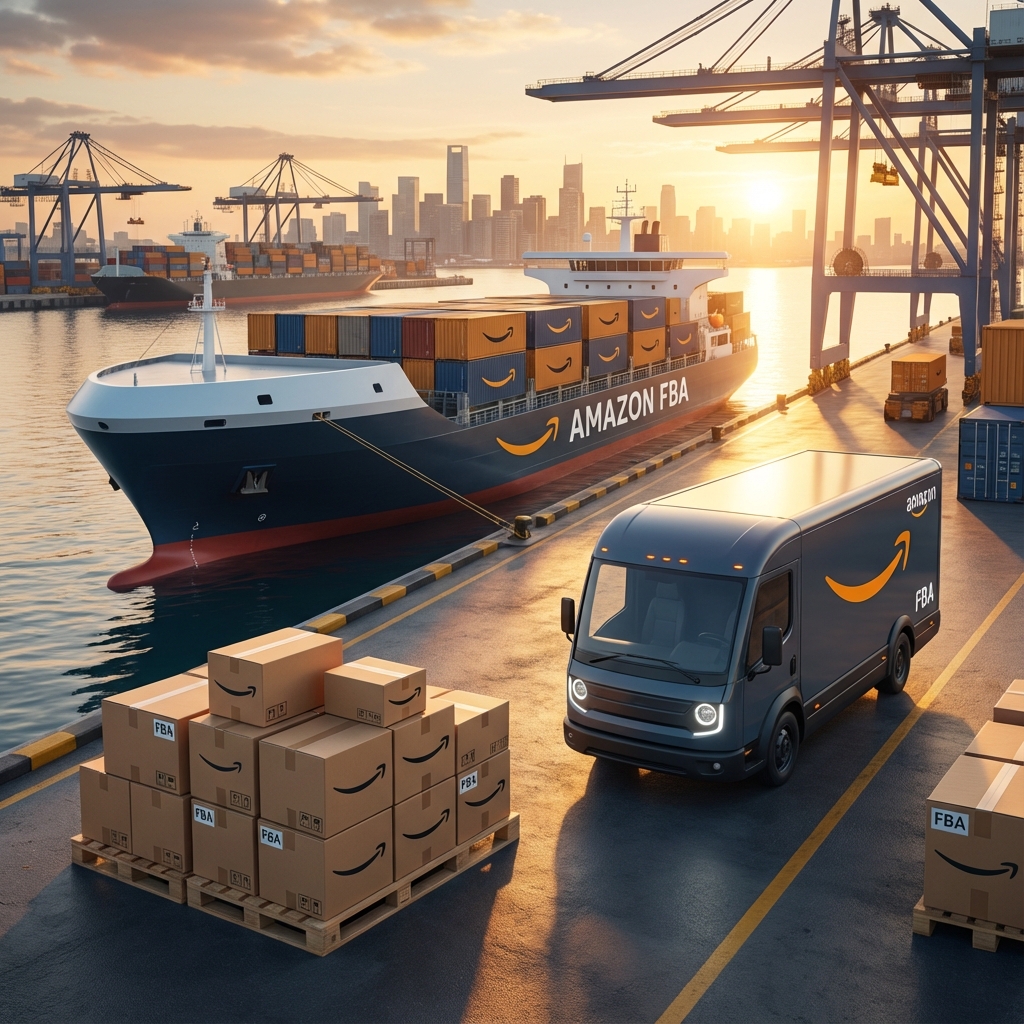
Sea Freight DDP (Door-to-Door)

This is the strategic standard for most sensitive cargo.

  • Superior Tolerance: Sea freight accommodates a wider range of liquids, pastes, and food products that air carriers often reject.
  • End-to-End Compliance: Our Sensitive Cargo Sea DDP Plan manages customs clearance, duty payment, and last-mile delivery, eliminating all regulatory friction for your business.

4. FAQ

Q: My headphones have batteries. Do I need to declare them as sensitive? A: Yes. Products with built-in batteries must be declared as sensitive in air freight. Failure to do so may result in fines and delays if caught during airport security checks.

Q: Can cosmetics be shipped via DDP? A: Yes. However, items with very high alcohol content (e.g., pure perfumes) have additional restrictions, and package weights should be kept moderate.


Conclusion

Safety and speed are equally important. At Lofeng, we ensure every shipment arrives on time through professional category management (Check sensitive cargo surcharges here).

If you’re unsure whether your goods are classified as sensitive, contact our customer service team for an immediate audit today!

Get Instant Quote

Enter weight and dimensions for real-time rates across all channels.

Start Calculating
Posted in Logistics